Loading the page
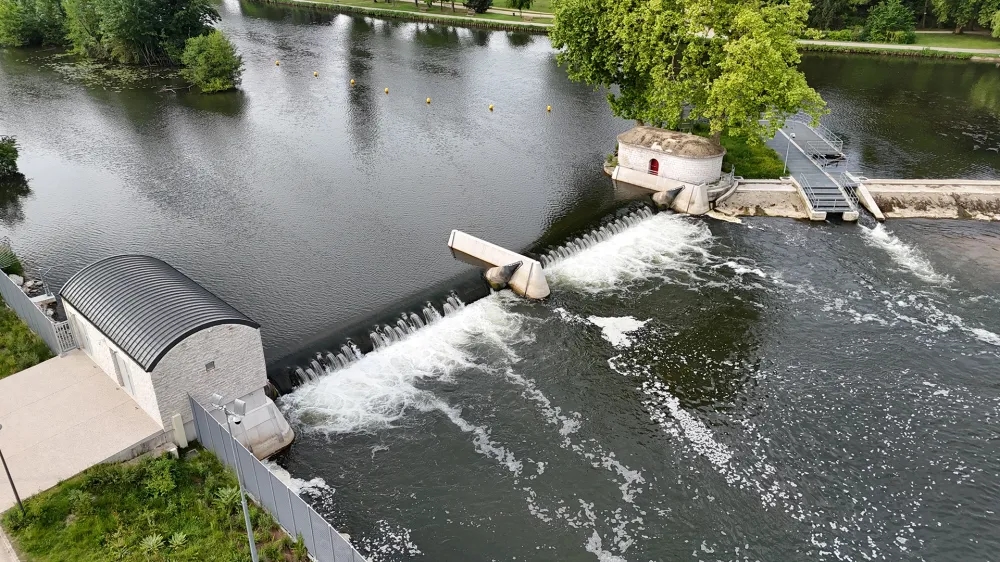
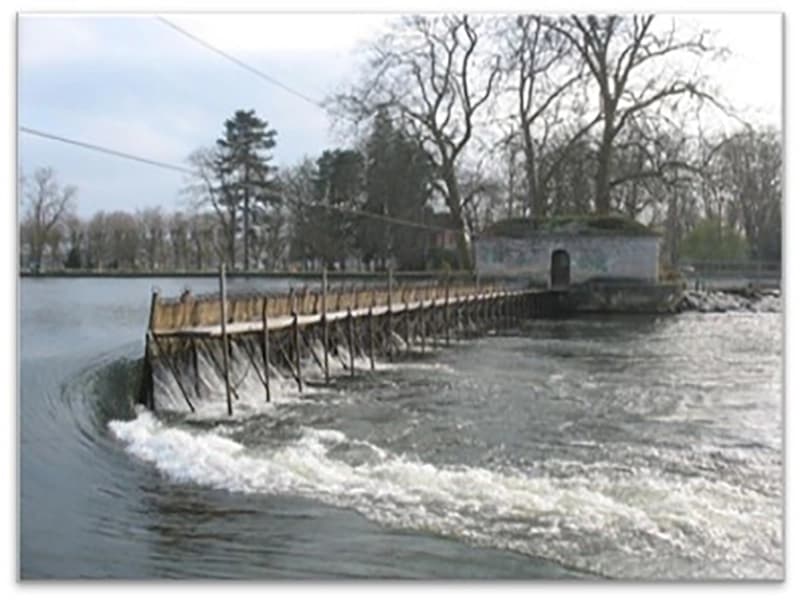
The Auxerre cofferdam, originally built in the 19th century, historically consists of:
The technology of these structures relies on fully manual operation. Their replacement with modernized structures is necessary to optimize the hydraulic management of the rivers and their environment and to ensure safe working conditions for operating personnel. The project involves rehabilitating the automated movable dam, reinforcing the fixed weir, and constructing a fish pass. The selected solution consists of replacing the existing dam with an inflatable water dam, reinforcing the spillway through grouting, and constructing a fish pass on the left bank.
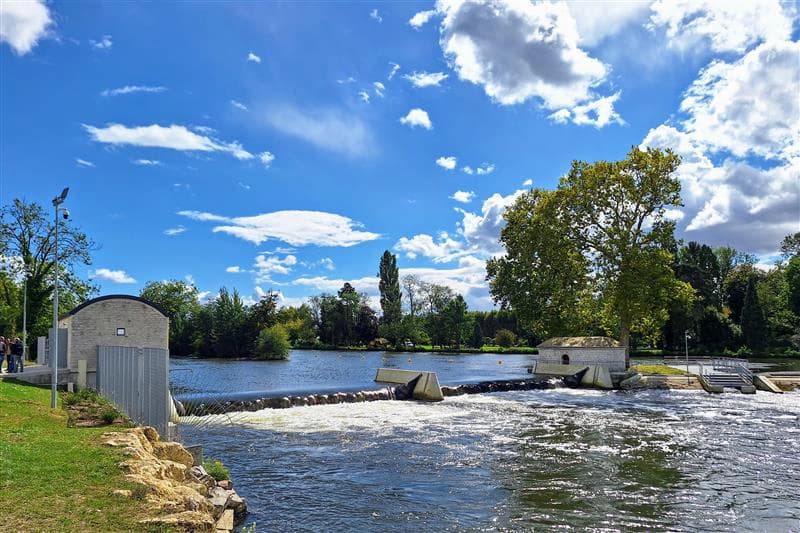
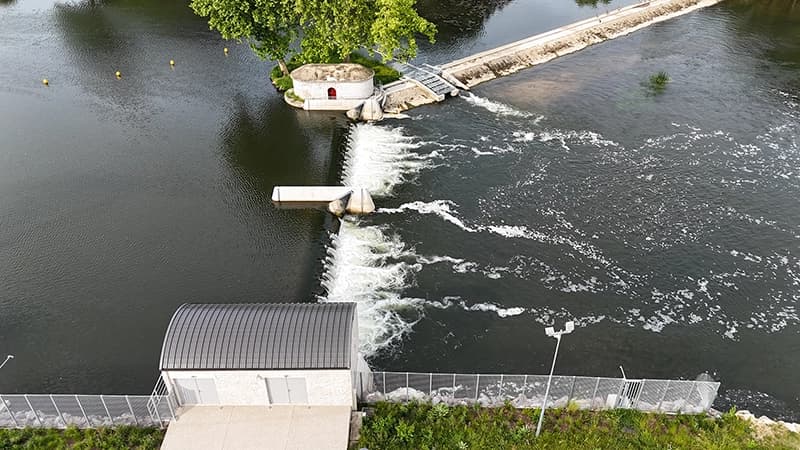
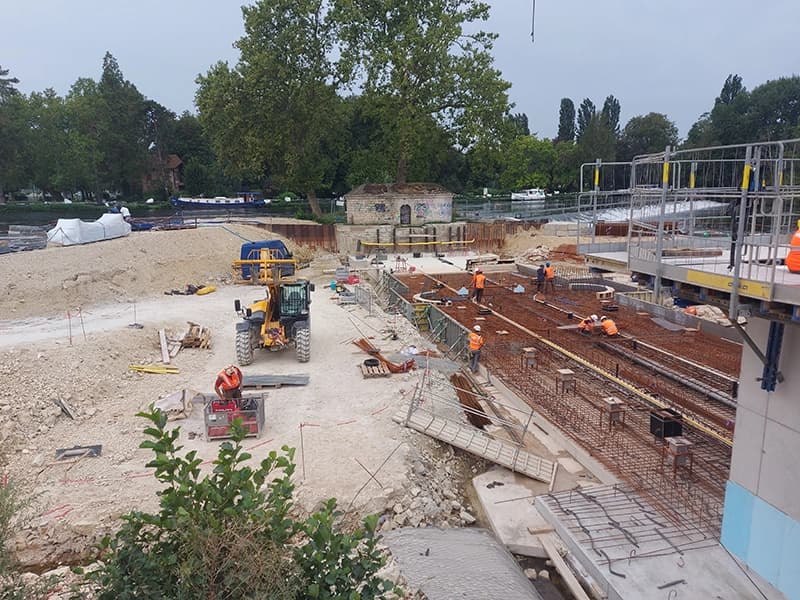
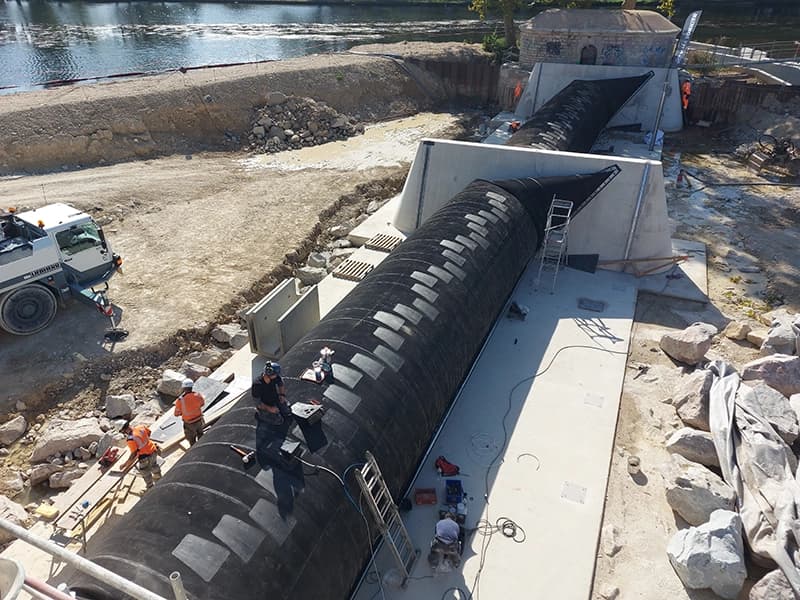
The project entrusted to BRL Ingénierie involves full project management, including:
Preliminary Design, Detailed Design, Construction Drawings, Building Permit, Final Design, Construction Supervision, and Final Acceptance
The rehabilitation of the structure specifically included:
MC1, preparation of administrative procedure documentation
All regulatory procedures were handled internally by our expert environmental assessment team in consultation with our infrastructure team. The integrated approach—balancing structural development constraints with environmental considerations at every phase of the project—allowed us to minimize the overall impact of this project.
MC2, visitor information, communication
Highlighting the heritage value of the old dam through a permanent public exhibition at the lock site, featuring truss elements and needle gates salvaged from the dam, as well as information panels explaining the history and design principles of needle-gate dams.
MC3, external site inspections