Loading the page

Aiming to develop innovative financing
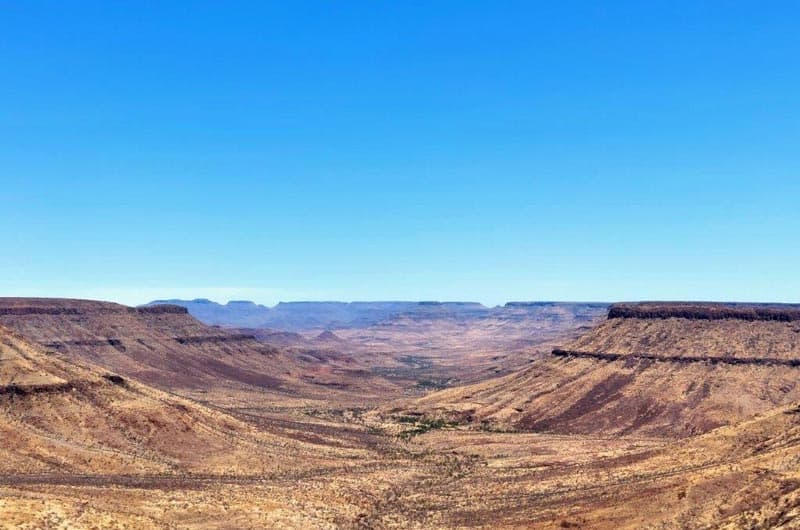
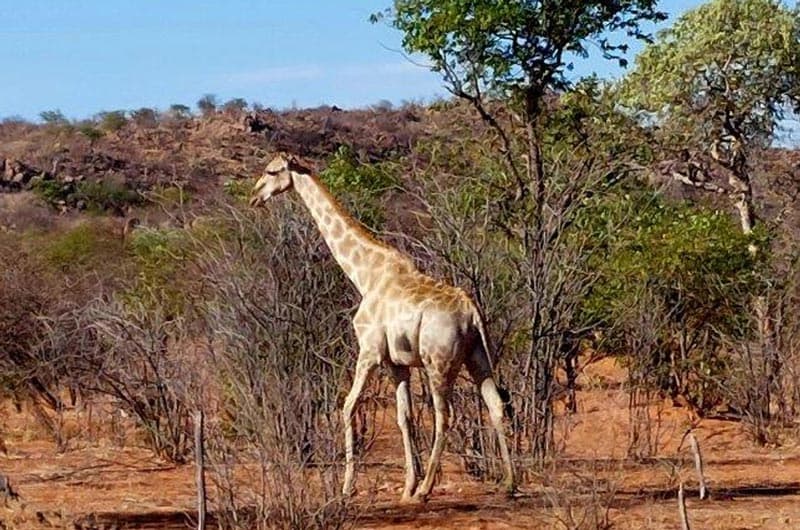
The Environmental Investment Fund of Namibia (EIF) has a range of financing mechanisms for the conservation of Namibia's community-managed parks and reserves, including the Payments for Environmental Services (PES) mechanism, which has proven its worth historically in Namibia. However, current mechanisms are entirely dependent on tourism and hunting, and the feasibility of an innovative, less vulnerable and more sustainable mechanism, supported by the Environment Fund and in consultation with communities, needs to be studied. AFD, a long-standing donor and partner of the EIF, is therefore proposing to study a new PES system that is sustainable and replicable throughout Namibia, and independent of tourism and hunting.

In this context, BRLI's mission was to study the feasibility of new PES mechanisms in order to design a financing model that could be replicated across the country. BRLi also had to integrate community governance into the mechanism, find potential financiers and payers, designate the financial product in question and find private financing partners in order to capitalize on the FONDS pour l'Environnement and set up this conservation financing mechanism in a way that would be sustainable and less vulnerable to exogenous shocks to the tourism economy.