Loading the page
COSTEA (the Scientific and Technical Committee on Agricultural Water) aims to place agroecology at the heart of the irrigation policies of the AFD (French Development Agency) for the period 2024–2028. One of its key initiatives focuses on the redesign of irrigation infrastructure. It aims to demonstrate, through pilot studies, how adapting water management systems and farming practices can facilitate agroecological practices within the project area and, consequently:
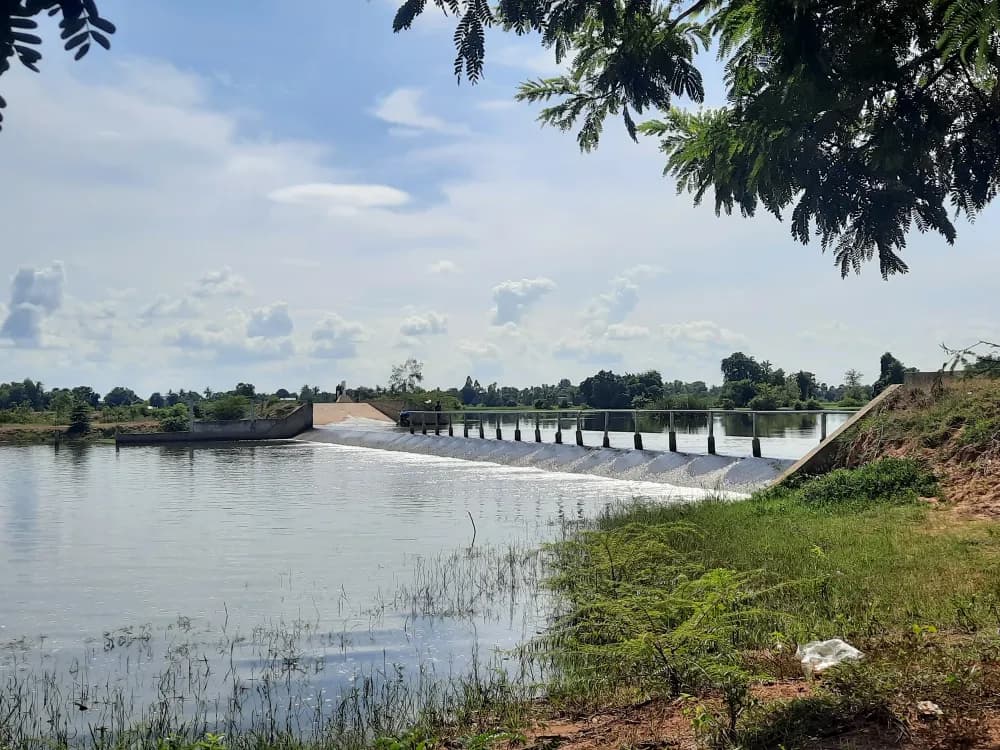
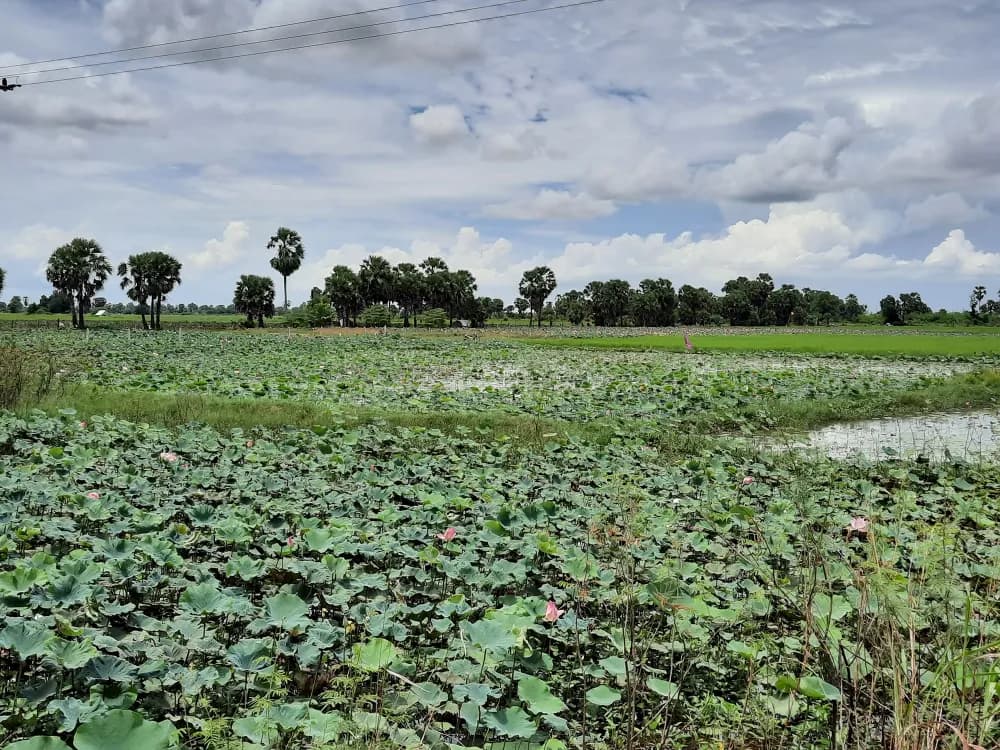
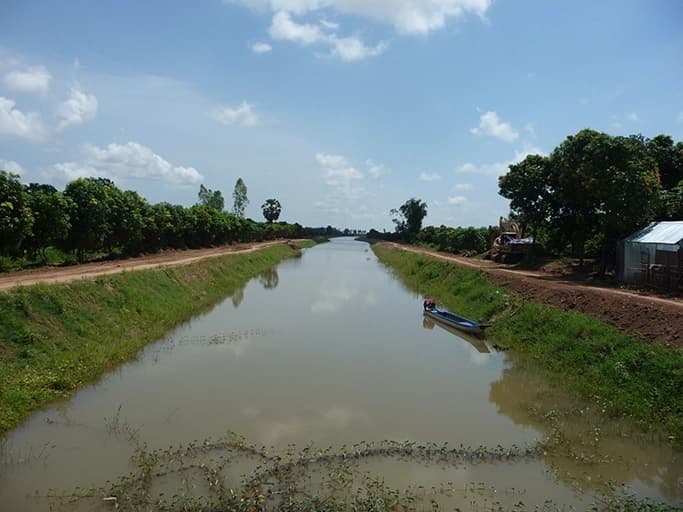
In this context, BRL Ingénierie carried out a study entitled “Agroecological re-engineering of irrigated infrastructure”, seeking to demonstrate how the transformation of infrastructure, the reorganisation of spaces within irrigated areas, changes in management methods and the adoption of appropriate farming practices can promote the agroecological transition in irrigated areas under construction and/or undergoing rehabilitation, whilst improving: climate resilience; water efficiency; economic performance; environmental sustainability; social equity. It focuses on two countries with sites where pilot projects present contrasting situations, enabling the testing of a replicable approach: Senegal [Delta Project (SAED)] and Cambodia (WAT4CAM – Kanghot & Svay Chek)